 Women's Life Link Be Well, Be Happy, Be YOU!
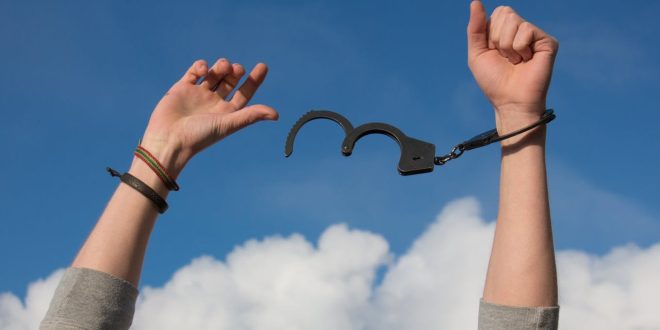
Life has a way of throwing curveballs at us when we least expect them. When this happens, some of these curveballs can knock us off our feet and leave us stressed, depressed, and even distraught. When these negative events hit, it can feel as if life will never be the same again. It might feel like we can’t get through these events and that it’s pointless to try. But, you know what? We can overcome hard things that change life if we believe it’s possible and are willing to try. That said, let’s look at some common life-changing events and how to overcome them.
A Serious Accident
Whether it’s a car crash, a fall, or a workplace injury, a serious accident can affect every aspect of your life. Beyond the physical pain and long recovery process, there’s the financial stress of lost income, medical bills, and a disrupted routine. Overcoming something like this starts with giving yourself permission to focus on healing first.
It’s also important to protect yourself legally and financially. Medical costs and lost wages can pile up quickly, and insurance companies aren’t always eager to pay what they should. In many cases, talking to a personal injury lawyer can help you understand your rights and pursue the compensation you need to get back on track. Moving forward means combining practical steps, like following medical advice and managing expenses. Emotional resilience helps put the incident in your past rather than define your future.
Job Loss
 Losing your job, whether it’s through layoffs, restructuring, or sudden termination, can feel like someone pulled the rug out from under you. It’s more than just the loss of income. It can shake your confidence, disrupt your identity, and force you into uncharted territory.
Recovery here starts with perspective. While job loss is stressful, it’s often the push women need to find work that’s a better fit or finally explore paths they’ve put off for years. Updating your resume, tapping into your network, and retraining for new skills can all help turn a setback into a stepping stone. More importantly, maintaining a routine, even while unemployed, can keep you grounded and motivated while you figure out your next move.
Divorce or the End of a Long-Term Relationship
When a long-term relationship ends, it can feel like you’re losing more than just a partner. You’re also losing the future you imagined together. The emotional weight can be crushing, and the practical aspects like shared finances, housing, and custody arrangements add layers of complexity.
The path forward often starts with separating the emotional from the logistical. Handling legal and financial matters as early as possible helps clear space for the healing process. At the same time, reconnecting with friends, family, and personal interests can remind you that your identity isn’t tied to your relationship status. Overcoming a breakup isn’t about bouncing back overnight; it’s about slowly rebuilding a life that’s yours alone, one piece at a time
Serious Illness
A major illness, whether it affects you directly or someone you love, can change every part of daily life. It can mean months or even years of treatment, altered routines, and uncertainty about the future. This kind of challenge requires a balance between realism and hope.
Managing a serious illness means advocating for yourself within the healthcare system, staying informed about your options, and accepting help from others when you need it. Just as important is protecting your mental well-being by finding moments of joy and normalcy in the middle of treatment. Small victories – a good day, a clear scan, a successful therapy session – are worth celebrating. These moments become the stepping stones that carry you forward.
Financial Crisis
Whether caused by unexpected expenses, job loss, medical bills, or poor financial decisions, a major money crisis can leave you feeling trapped and powerless. The stress can be intense, affecting your health, relationships, and sense of security.
The first step toward overcoming it is getting a clear picture of your situation. Knowing exactly what you owe, what you earn, and where your money goes is critical for making a plan. From there, prioritizing essentials, negotiating with creditors, and finding ways to increase income can slowly restore stability. While it’s tempting to avoid looking at the numbers out of fear, facing them head-on is the only way to regain control and start moving toward financial recovery.
Natural Disasters
Fires, floods, hurricanes, and other natural disasters can wipe out homes, belongings, and entire communities in a matter of hours. The loss can be devastating, and the recovery process can stretch on for months or even years.
Overcoming this kind of event requires both immediate action and long-term planning. In the short term, finding temporary shelter, replacing essentials, and applying for emergency aid are priorities. In the long term, it’s about rebuilding physically, financially, and emotionally. While it’s hard to imagine in the immediate aftermath, communities often come together in extraordinary ways after disasters, creating bonds and resilience that last far beyond the rebuilding process.
The Death of a Loved One
Few events reshape a person’s life as profoundly as losing someone they love. The grief can be all-consuming, and the absence often changes the way you see the world. There’s no quick fix for this kind of loss, and “getting over it” isn’t the goal.
The path forward is about learning to live with the loss rather than erasing it. That means giving yourself space to grieve, leaning on others for support, and finding ways to honor the person’s memory. Over time, the pain may soften, making room for gratitude for the time you had with them. Healing doesn’t mean forgetting; it means carrying them with you in a way that lets you keep living.
Moving Forward
Life-changing events are rarely things we choose. They arrive uninvited, disrupt everything we know, and force us to adapt in ways we never expected. Overcoming them doesn’t mean pretending they didn’t happen or minimizing the pain they cause. It means finding the strength to face them directly, taking practical steps to address their impact, and giving yourself permission to heal on your own timeline.
Whether you’re navigating the aftermath of an accident, a financial setback, or an emotional loss, there’s always a way forward. It may not be quick or easy, but with the right mix of determination, support, and planning, you can turn even the most difficult chapters into the foundation for a stronger future.