 Women's Life Link Be Well, Be Happy, Be YOU!
DocTalk
The following is a question answered by Dr. Anca Lamse, MD on her website Ask Dr. Lamse. Keep in mind, this is strictly informational and is not meant to replace the advice of your own health care provider.
Q. Dawn asks:
Is it better for me to take Tylenol or Ibuprofen for osteoarthritis? I’m a 50-year old, pretty darned healthy female, although my healthy half-sister had a heart attack out of the blue and died at 53. Otherwise, there’s no history of heart problems in my family. Maybe there was on her dad’s side. But still,if I’m going to be taking pain killers for the rest of my life, I don’t want heart problems as a side effect. Thanks!
A. Dear Dawn,
First let me urge you to also consult with your doctor, who knows your medical situation better than I do.
Short Answer: Tylenol is probably better than Ibuprofen.
Explanation: In general, Tylenol, up to 4,000 mg/24 hr is relatively safe to take, if you have no liver problems, take no other medications that would increase the demands on the liver, and don’t drink alcohol in excess.
Ibuprofen is part of the family of drugs called “non-steroidal anti-inflammatory drugs (NSAIDs). NSAIDs can cause gastrointestinal bleeding and may affect kidney function in some people.
There is also evidence suggesting that people who were taking NSAIDs the week prior to, or the week after a heart attack, were at higher risk for death, or for another heart attack.
In the light of this evidence, in 2007 the American Heart Association (AHA) recommended that anyone at risk for heart attacks (talk to your doctor to see if you are at risk, based on history, exam, and laboratory studies) should only take NSAIDs as a last resort.
Testing
Since you plan to be on pain medications long term, it would be good to get your kidney and liver tests done regularly.
If you have any of the symptoms listed below call your doctor.
Symptoms
If you do take Tylenol, watch out for symptoms of liver damage, which include yellow skin, dark urine, light-colored stool, pain in the right upper part of your abdomen, nausea, vomiting, and yellowing of the whites of your eyes.
In future posts I’ll talk about additional steps you can take for both pain management and ways to encourage a happy healthy heart.
***To learn more about the Lamse Wellness Clinic and the services provided there, contact Dr. Anca Lamse, MD. Please forward any questions directly to her or to the Women’s Life Link Contact Page.
Lamse Wellness Clinic 17 E. Moore St, Mooresville, IN 46158 Phone: 317-834-9304; Fax: 317-831-0864 www.lamseclinic.com
***The content of this post is not meant to replace the advice of your health care provider. Women’s Life Link, it’s authors, contributors, commentators, associates, and linked sites do not claim that this information will diagnose, treat, or cure any disease or condition. Thank you.
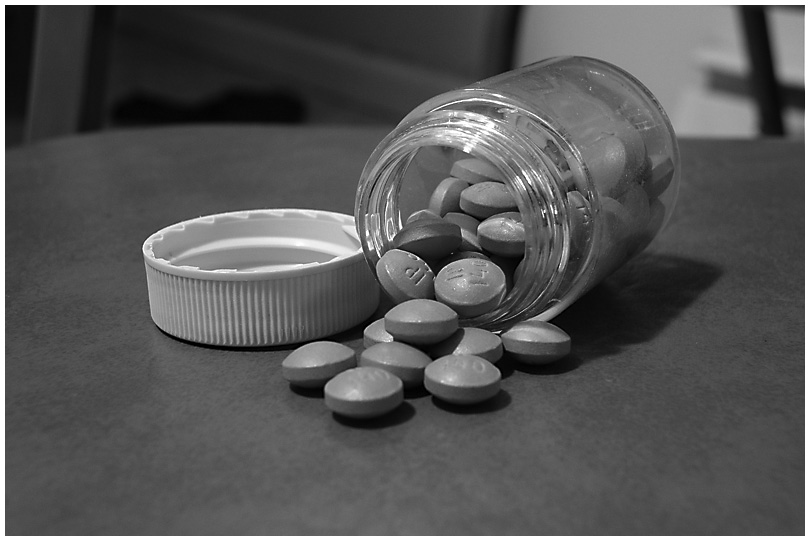
Photo by Dark Serge