 Women's Life Link Be Well, Be Happy, Be YOU!
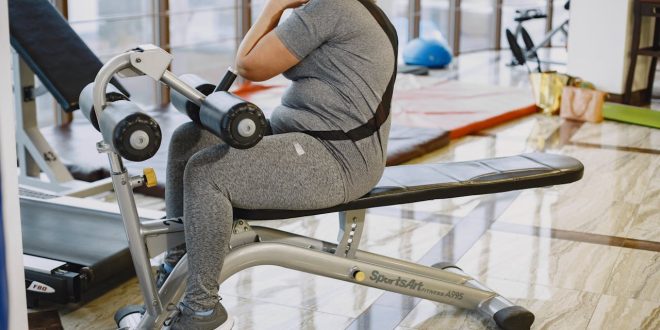
Starting a fitness journey can be overwhelming (even if it’s a good thing). Everywhere you look, there are different plans, new equipment, complicated diets, and promises of fast results. It’s easy to get lost and confused and either do too much, too soon, or freeze up and not start at all. The truth is, beginners don’t need all the extras. The real focus needs to be on building a good foundation. With the right habits, movements, and mindset, you can get the best results. With that in mind, keep reading to find out more.
Set Realistic Goals
One trap for fitness beginners is aiming too high too quickly. Wanting to lose 20 pounds in a month or run a marathon with no training plan will only leave you frustrated. Instead, set small, achievable goals that ideally include completing three workouts in a week. This might include things like increasing your squat weight slightly, walking an extra mile, and so on. Each small win builds momentum, and over time, those wins add up to real transformation. Write these goals down and track them as a visible reminder to keep going.
Build Consistency Before Intensity
The biggest mistake beginners make is going too hard too fast. A couple of tough workouts might feel great in the moment, but they often lead to burnout, injuries, or simply giving up. The first priority is doing something regularly, even if that means short, light sessions because it’s consistency that gets results. Once exercise becomes a part of your routine, like brushing your teeth, you’ll have the base to gradually increase intensity and variety. For example, three 20-minute workouts a week, every week, beats one massive session followed by two weeks of nothing.
Master Basics
Forget complicated machines or intensive routines in the beginning. These advanced things definitely have their place, but they’re not what fitness beginners need. Focus on fundamental movements, which include squats, lunges, push-ups, planks, and basic cardio like walking, cycling, or swimming. These exercises strengthen major muscle groups, improve coordination, and prepare your body for more advanced training later.
If you’re unsure of what to do, take a class or get a few personal training sessions. There are also useful online videos. Doing it right from the beginning saves you from developing bad habits and injuring yourself.
Prioritize Nutrition and Hydration
Exercise alone won’t get you far if your diet is working against you. That’s why successful fitness beginners focus on balanced meals. Include lean protein, vegetables, whole grains, and healthy fats in your plan. Don’t worry; you don’t need to follow extreme diets or cut out everything you enjoy. Start small by doing something like swap sugary drinks for water, add more vegetables to meals, and try to eat mindfully.
Hydration also plays a big role in health, especially if your getting fit. Even mild dehydration can make workouts harder and recovery slower. A simple habit like always carrying a water bottle can make your sessions more productive.
Some people also explore supplements to support their training. For example, compounds like Yohimbine HCL are sometimes discussed in fitness circles for their potential to assist with energy or fat loss. But it’s important that beginners start with the basics – food, rest, and consistency – before considering any supplement. And if you ever do, it’s best to research carefully and consult a professional.
Don’t Skip Rest and Recovery
 When you’re motivated, it’s tempting to train every day. That said, recovery is actually when your body adapts and gets stronger, so aim for at least one or two rest days per week. Stretching, light walks, and even good sleep all count as recovery, so you don’t have to do nothing at all. Sleep, in particular, is often overlooked. Aim for 7 to 9 hours of quality sleep when possible. During sleep, muscles repair, hormones balance, and energy stores reset.
Listen to Your Body
Pain, exhaustion, or lingering soreness are signals, not signs of weakness. Fitness beginners sometimes push through in fear of looking lazy. Listening to your body is crucial, and if something feels wrong, adjust. It’s better to pause and reset than to injure yourself and be forced into weeks of recovery. Learning the difference between normal post-workout fatigue and genuine strain takes practice, but it’s a skill worth developing.
Find Enjoyment
Not everyone enjoys the same kind of exercise, and that’s okay. Some people love lifting weights, others thrive in group classes. Some women find their rhythm in running or swimming. The key for fitness beginners is to experiment until enjoyment is found. The best workout is the one you keep doing, so don’t be afraid to mix it up until you land on something that is fun.
Focus on Long-Term Lifestyle
Perhaps the most important focus for beginners is seeing fitness as a lifestyle, not a quick fix. Crash diets and punishing workout programs might bring short-term results, but they rarely last. Building habits like consistent activity, balanced meals, and adequate sleep, creates a foundation you can keep up for as long as you need to. In the end, fitness becomes doable when it’s a part of your everyday life. Keep in mind that fitness is a journey, not a sprint. The small choices you make today are what build the stronger, healthier version of you tomorrow.